
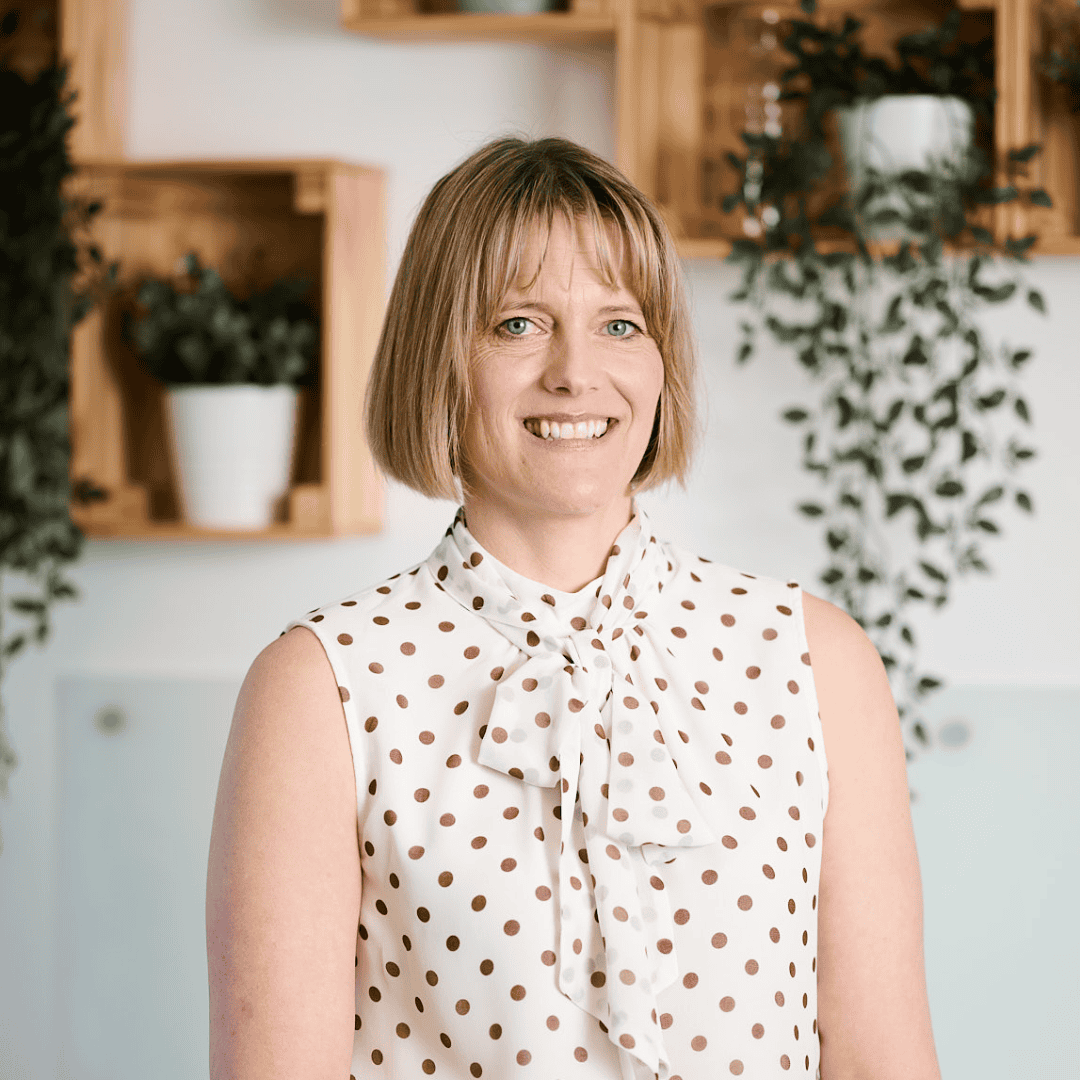
Senior Dietitian – Certificate in Paediatrics
Michelle is highly experienced with over 15 years’ experience as a dietitian. She has completed additional training in paediatrics, sports nutrition and the Monash University FODMAP approach, supporting children, adolescents and adults with a wide range of nutrition needs.
Hi, I’m Michelle! There are so many conflicting messages about what is ‘good’ and ‘bad’ for us and what we ‘should’ and ‘shouldn’t’ eat. With so much information out there, it can be difficult to know what a healthy, balanced diet really looks like.
Add a fussy eater, food intolerance, a child training in sport for 10+ hours a week, or another special dietary requirement, and it’s no wonder parents can feel overwhelmed trying to meet their own and their child’s nutrition needs. Parenthood is stressful enough without the added pressure around food and eating (I’m a mum of three, trust me, I know!).
I’m passionate about helping families take the stress out of food and nutrition. The habits and attitudes our children develop around food during childhood can influence their relationship with eating well into adulthood.
Does your fussy child seem more than just a picky eater?
Fussy eating can be a normal part of early childhood development, but sometimes there is more going on than simply being a ‘picky eater’. Some toddlers and children are problem feeders and may have difficulty eating because of underlying physiological, developmental, or psychological factors. These can include difficulties with oral motor skills, sensory sensitivities or other challenges that affect eating.
In these situations, a multidisciplinary team may provide additional support, including an occupational therapist, speech pathologist, and dietitian. As part of your child’s support team, I can help identify nutritional gaps, support adequate growth and nutrition, and develop practical strategies to make mealtimes less stressful and more enjoyable.
My experience as a dietitian and mum of three has given me both a strong understanding of children’s nutritional needs and practical strategies that families can use at home. Whether you’re navigating fussy eating, food intolerances, digestive symptoms or the nutritional demands of junior sport, we can work together to build your confidence and take the stress out of food and nutrition.
Read more about how Michelle can help you with a problem feeder.
Supporting your young athlete to train, perform and grow
Young athletes have unique nutrition needs. Ensuring they receive the right balance of nutrients is essential for growth, development, sports performance and recovery.
Having undertaken the Sports Dietetics Course with Sports Dietitians Australia, I can help young athletes and their families understand how to fuel their bodies appropriately around training and competition, while keeping nutrition practical and age-appropriate.
I can help with:
- Nutrition around busy training schedules, particularly for young athletes training multiple times each week.
- Meeting increased energy needs during periods of rapid growth and heavy training.
- Healthy lunchboxes and snacks that work around school, training and busy family schedules.
My approach focuses on helping young athletes fuel well, recover well, and grow well, while developing healthy, sustainable eating habits that support them on and off the sporting field.
Support for digestive health and food intolerances
I also have additional training in the Monash University FODMAP approach, which may help adults and children experiencing symptoms such as bloating, abdominal pain, wind, or altered bowel habits. Where a low FODMAP approach is appropriate, I can provide personalised guidance to ensure the diet remains nutritionally adequate and practical for everyday life.
Let’s work together to help your child eat well, grow well and perform at their best—while developing a positive and healthy relationship with food along the way.
Michelle can help you with:
Family and Kids – Healthy growth management for kids, healthy eating for families, introducing solids to your baby, feeding fussy toddlers and kids (including those with feeding difficulties), sensory feeding issues and support for other paediatric issues.
Special Diets – Balanced and evidence-based support for keto or very low carb diets and intermittent fasting.
Gut and Digestion – Irritable bowel syndrome, inflammatory bowel disease, low FODMAP diet, food intolerances, food allergies, maximising and improving gut health, digestive issues (diarrhoea and constipation), diverticulitis, coeliac disease, Crohn’s disease and support for other gastrointestinal issues.
Mental Health – Eating disorders, ARFID, disordered eating and building a healthy relationship with food.
Women’s Health – Amenorrhea, menopause, pregnancy and postpartum nutrition
Sports Nutrition –Endurance sport performance (running, cycling, rowing, dancing), Race day/Competition day nutrition
Michelle’s qualifications:
- Bachelor of Science (Biochemistry), from the University of Sydney
- Masters in Nutrition and Dietetics, from the University of Canberra
- Certificate in Paediatric Dietetics through the Royal Children’s Hospital, Melbourne
- Completed: SOS Approach to Feeding for Problem Feeders Training
- Completed: Eating Disorders for Dietitians Training
- Completed: Monash University FODMAP Dietitian Training
- Currently studying: Sports Dietetics Course through Sports Dietitians Australia
Q&A with Michelle!
What’s your favourite food?
Cheese – the smellier the better! Not so much the hard cheeses (don’t get me wrong, they’re still good) but more like a triple cream brie or blue vein – yum!
What’s your favourite cooking method?
I love a good stir-fry! It’s such a quick and easy way to make a delicious meal. Plus, the huge variety of vegetables and flavours that work well in a stir-fry means that no 2 meals need to be the same.
Why did you become a dietitian?
I have always been a real ‘people person’ so I knew that whatever I grew up to be it would involve helping people. I am also a self-confessed science nerd. At university I majored in Biochemistry for my Science degree. After an amazing lecture series on metabolism (did I mention I was a bit of a nerd?) I was inspired to go on to do my Masters in Dietetics. Being a dietitian is the perfect career for me. I get to work with people and apply scientific evidence to improve their health!
What’s your area of expertise and why?
My areas of expertise are paediatric dietetics and sensory feeding issues. My main introduction into the world of paediatric dietetics was when I became a mother myself. Through playgroups and other child based activities I came to fully appreciate just how hard it can be to navigate the overwhelming amount of dietary advice out there on what to feed or not feed your child. I realised how lucky I was to be a dietitian because there’s enough to stress about being a parent without having to factor food into it!
This motivated me to undertake further studies with a Certificate in Paediatric Dietetics so that I can help families overcome food and diet issues, hopefully making parenting that little bit easier.
My interest in paediatric dietetics led me into exploring and learning more about sensory feeding issues. I find this such a fascinating area of nutrition. Being able to understand the sensory experience of eating is the key to improving food acceptance and diet quality in both children and adults.
What’s your philosophy when it comes to food?
All food is there to be enjoyed. Sure, some types should be enjoyed more often than others, but it should all be eaten without guilt or shame. There’s no such thing as a ‘good’ or ‘bad’ food. I am very passionate about helping clients find the balance in their diet so that they can just enjoy food.