
Established Dietitian
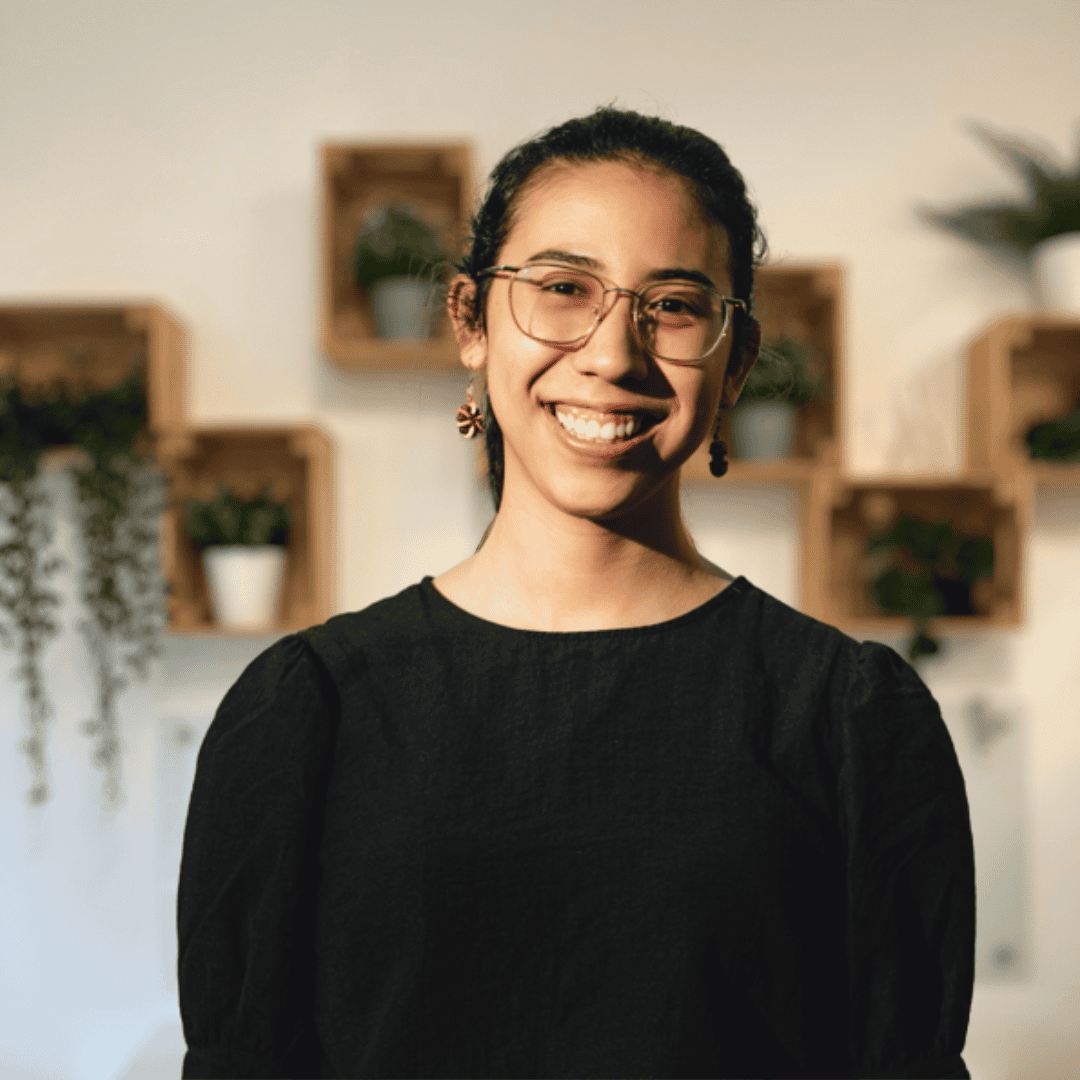
Hello, I’m Misa!
I’m an Accredited Practising Dietitian who is passionate about helping people build a more sustainable and compassionate relationship with food – one that works with your unique body, brain, and life circumstances.
My work is grounded in compassion, curiosity, and evidence-based care.
I have multiple years of experience in private practice, supporting adults with complex and overlapping needs, including chronic health conditions, gastrointestinal concerns, mental health challenges, and disordered eating.
Together, we focus on creating simple, sustainable systems that accommodate your context, including executive functioning capacity, your neurotype, sensory needs, cultural background, and energy levels.
Cardiometabolic health
I have a particular interest in cardiometabolic health, including fatty liver disease, insulin resistance, PMOS and cardiovascular disease. I’ve delivered and contributed to evidence-based nutrition programs through QUT, the Royal Brisbane and Women’s Hospital and The Prince Charles Hospital, including diabetes education groups and the Liver Health Outpatient Program.
Gut health
Do you have digestive symptoms that you just can’t seem to make sense of? Or find yourself constantly wondering whether a particular food is causing your symptoms? I have additional training in gastrointestinal disorders and enjoy working with people experiencing IBS, reflux, constipation, diarrhoea and diverticular disease.
Relationship with food
Our relationship with food doesn’t exist in isolation. It can be influenced by our health, circumstances, energy levels and capacity, neurodivergence, cultural background, sensory preferences, support systems, past experiences with food and so many other factors.
I enjoy helping people understand these different pieces and find a relationship with food that feels more aligned with them. For some, that might mean feeling less restricted, while for others, it might mean feeling less caught in eating patterns that feel out of control or hard to change. For others, it might be about finding ways of eating that support their health and nutritional needs, without food taking up more mental space than they’d like.
Misa can help you with:
General Health and Wellbeing – healthy eating, weight maintenance, weight gain through balanced and healthy habit changes, managing nutritional deficiencies, malnutrition, healthy ageing, HAES (healthy at every size) and weight neutral practice, and vegetarian and vegan eating.
Gut and Digestion – irritable bowel syndrome, irritable bowel disease, inflammatory bowel disease, low FODMAP diet, food intolerances, maximising and improving gut health, digestive issues (diarrhoea and constipation), celiac disease, crohn’s disease and support for other gastrointestinal issues.
Chronic Disease – support for heart disease, stroke, and other cardiovascular disease, lowering cholesterol and/or blood pressure, type 2 diabetes and gestational diabetes management, reducing insulin resistance, treating and preventing gout, support for pre and post bariatric surgery, support for inflammation, thyroid conditions, osteopenia and osteoporosis and post-cancer nutrition support.
Mental Health – eating disorders, disordered eating, managing emotional eating, support for depression and anxiety, food anxiety and stress, building a healthy relationship with food.
Women’s Health – polycystic ovary syndrome, amenorrhea, menopause and endometriosis.
Family and Kids – healthy eating for families.
Misa’s Qualifications:
- Accredited Practicing Dietitian (APD) with Dietitians Australia (DA).
- Bachelor of Nutrition and Dietetics, Queensland University of Technology
- RAVES Eating Model Training (Shane Jeffrey)
- REVIBE Protocol: Functional Gastrointestinal Disorders (Elissa Robins)
- Nutrition Counselling for Eating Disorders (3.0) (Marci Evans)
- Evidence-Informed Dietetic Practice for Eating Disorders (QUEDS)
- First Nations Cultural Safety Training (Yarraka Bayles, The BlackCard)
- Youth Mental Health First Aid Training
Q&A with Misa!
What’s your favourite food?
Definitely dumplings, especially Xiao Long Bao (soup dumplings). One of my fondest memories is trying them for the first time with my mum in Taiwan.
What’s your favourite cooking method?
Hot pot! I love its shared, interactive nature where everyone gathers around and chooses what they enjoy. I also love how it can stretch across several days, with the broth becoming more flavourful.
Why did you become a dietitian?
I became a dietitian after navigating my own digestive challenges and a relationship with food that I didn’t fully understand. Through studying dietetics, I realised that changing our eating patterns isn’t simply about gaining more knowledge. Our beliefs about food, upbringing, nervous system patterns, neurotypes, cultural identity, and life experiences all shape how we relate to food and our bodies.
I wanted to become a dietitian who sees the whole person and approaches care in a way that supports both physical and mental wellbeing.