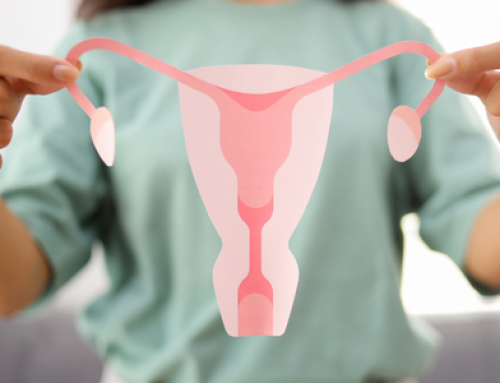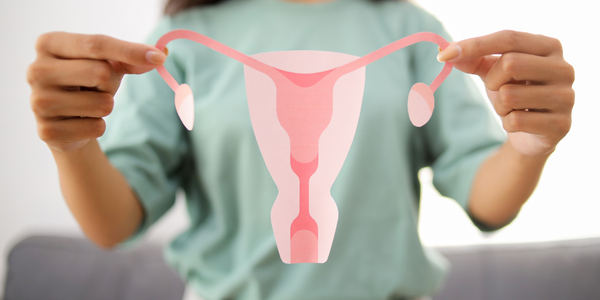

It’s Women’s Health Week this week, a week dedicated to celebrating and supporting the health and wellbeing of women, girls and gender-diverse people. Run by Jean Hailes for Women’s Health since 2012, the week aims to raise awareness of women’s health and encourage better conversations, information and care (1). This year’s theme is “do it anyway”, encouraging us to take small steps towards better health, on our own terms.
With so much health advice available, it can be easy to feel like we need to change everything at once. But supporting our health doesn’t have to be complicated or perfect. In the spirit of this year’s “do it anyway” theme, here are five small, realistic steps to support your health.
1. Add, rather than restrict
When it comes to nutrition, we often hear about what we should cut out. Sugar. Refined carbohydrates. Processed foods. Takeaway. The list goes on. Instead, try thinking about what you can add.
Add some fruit to breakfast. Throw some extra vegetables into lunch or dinner. Sprinkle nuts or seeds over your yoghurt. Add some beans or lentils to your soup or pasta dish.
2. Look after your bones and muscles
Our bones and muscles support us throughout our lives, so they are worth looking after long before we start thinking about ageing. Adequate nutrition, including calcium, vitamin D and protein, contributes to bone and muscle health, while resistance and weight-bearing exercise can help maintain strength and support bone health (2). This becomes particularly relevant during and after menopause, when changes in oestrogen are associated with increased bone loss.
Looking after your bones and muscles doesn’t have to mean starting a complicated exercise program or taking a long list of supplements. It could be as simple as having some extra dairy or a calcium-fortified alternative, including a source of protein with your meals, going for a walk, or doing some strength-based movement when you feel up to it. It all adds up.
3. Give iron some attention
Iron is an important nutrient for everyone, but it is particularly relevant for women who menstruate. Regular blood loss during menstruation increases iron requirements and can contribute to iron deficiency (3).
Include an iron-rich food today, such as lean red meat, legumes, tofu, seafood, eggs, nuts, seeds and iron-fortified cereals. If you are relying mostly on plant sources of iron, pair them with a source of vitamin C, such as tomatoes, capsicum, broccoli, citrus fruits or berries, to help with absorption.
4. Give yourself permission to rest
Looking after your health isn’t just about what you eat or how much you move. Rest and sleep are important parts of our overall health too (4). If you’re constantly putting rest at the bottom of the list, perhaps “doing it anyway” means giving yourself permission to slow down. Go to bed a little earlier. Take a break during a busy day. Say no to something that can wait.
You don’t have to earn rest. Sometimes, the healthiest thing you can do is simply take a break.
5. Aim for consistency, not perfection
Perhaps the most important step of all is to let go of the idea that you need to do everything perfectly. Your health is not determined by one meal, one workout, or one night of poor sleep. What matters is what you do regularly over time.
You do not have to do everything at once. Choose one small thing that feels achievable and start there.
If you’d like some personalised support with your nutrition and health, our team of dietitians is here to help. We can work with you to understand your individual needs, goals and concerns, and develop practical strategies that fit into your everyday life.
Book a consultation today!
References
- Jean Hailes for Women’s Health. (2026). Women’s Health Week. https://www.jeanhailes.org.au/get-involved/womens-health-week/
- Gielen, E., et al. (2018). Muscle and bone health in postmenopausal women: Role of protein and vitamin D supplementation combined with exercise training. Nutrients, 10(9), 1103. https://pmc.ncbi.nlm.nih.gov/articles/PMC6116194/
- Pena-Rosas, J. P., et al. (2016). Daily iron supplementation for improving anaemia, iron status and health in menstruating women. Cochrane Database of Systematic Reviews. https://pmc.ncbi.nlm.nih.gov/articles/PMC10182438/
- Gao, C., et al. (2022). Sleep duration/quality with health outcomes: An umbrella review of meta-analyses of prospective studies. Frontiers in Medicine, 8, 813943. https://pmc.ncbi.nlm.nih.gov/articles/PMC8811149/