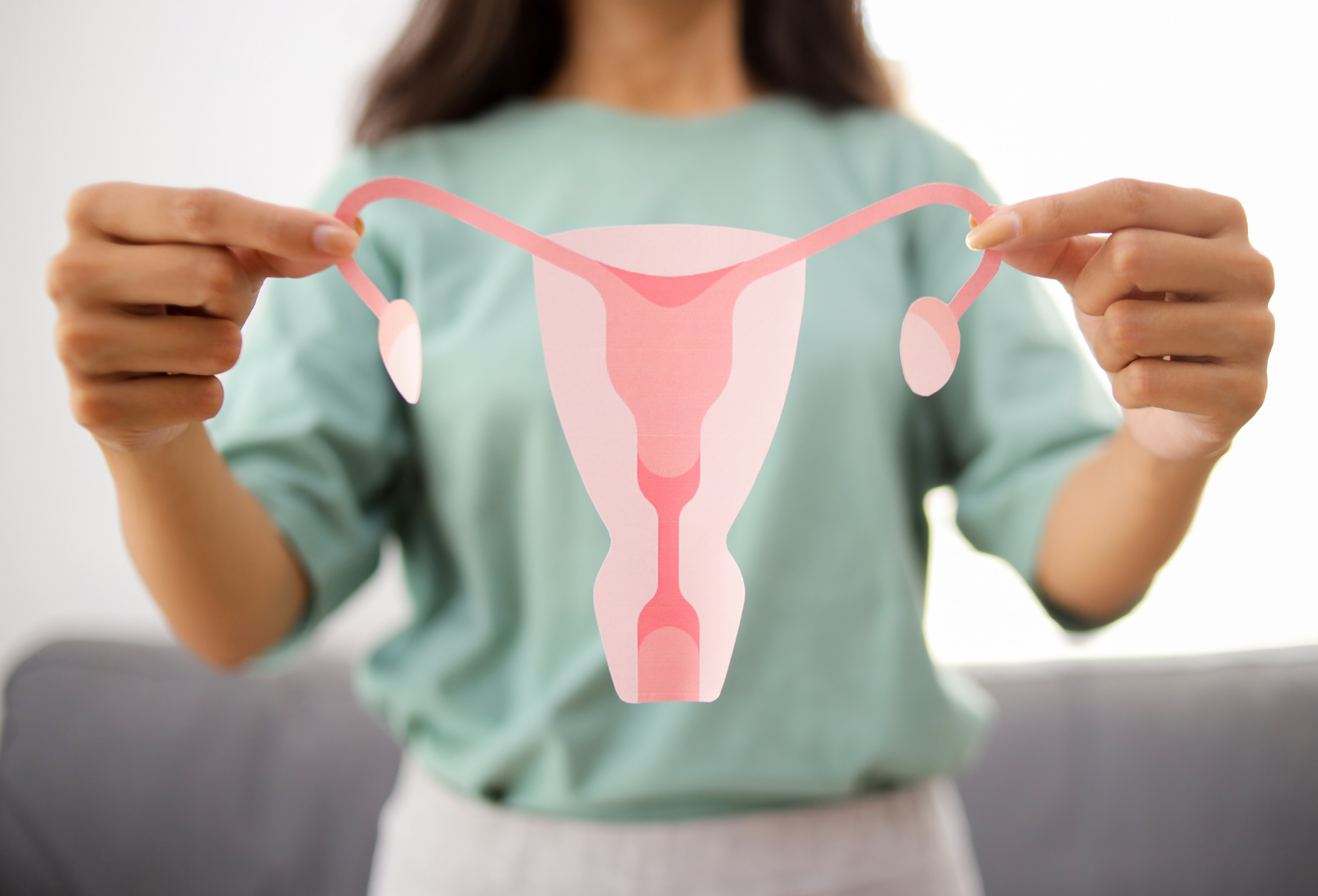
 You may have seen recently that Polycystic Ovary Syndrome (PCOS) has been renamed Polyendocrine Metabolic Ovarian Syndrome (PMOS). So, what does this actually mean? And what has changed?
The short answer: not much.
The biggest change is the terminology.
The new name was introduced because we now understand that this condition is much more complex than the name “polycystic ovary syndrome” suggests. PCOS was named in the 1930s based on the appearance of the ovaries. We now know that the condition involves much more than the ovaries. It including hormones, metabolism, mental health, skin and reproductive health.
The name change followed a 14-year international process involving health professionals and people with lived experience of the condition. The process was led by Monash University’s Monash Centre for Health Research and Implementation (MCHRI), the Androgen Excess and Polyendocrine Metabolic Ovarian Syndrome Society (AE-PMOS Society) and Verity, a UK patient advocacy group, alongside 56 professional and patient organisations from around the world.
What does this mean if you have PCOS?
If you’ve already been diagnosed with PCOS, the name change doesn’t change your diagnosis. The updated 2026 International Evidence-based Guideline has adopted the new PMOS terminology, but importantly, the recommendations and content of the guideline remain unchanged.
You might see PCOS and PMOS used interchangeably for a little while, as the new terminology is rolled out. There is a three-year transition period, with PMOS expected to become standard terminology in the 2028 International Guideline update.
This means the nutrition advice and lifestyle strategies you’ve previously been given for PCOS remain relevant. This includes:
- eating regularly,
- including a good balance of protein,
- carbohydrates, healthy fats and fibre,
- supporting metabolic health,
- staying active,
- and looking
- after your overall wellbeing.
So, if you’ve been working on your nutrition for PCOS, you don’t need to throw out everything you’ve learned and start again.
Has the nutrition advice changed for PMOS?
We have a number of PCOS articles on our website that were published before the name change, so you’ll still see the term PCOS used throughout. However, the nutrition information and practical advice remain relevant. The change in terminology doesn’t mean that the nutrition advice is suddenly outdated.
As always, nutrition science is continually evolving. If recommendations or our understanding of nutrition management for PMOS change in the future, we’ll be sure to keep you updated.
You can still refer to our existing PCOS articles:
If you’re looking for personalised nutrition advice for PMOS, our lovely dietitians are here to help. We can work with you to understand your individual needs, goals and symptoms and develop practical strategies that fit into your everyday life.
Book a consultation today!