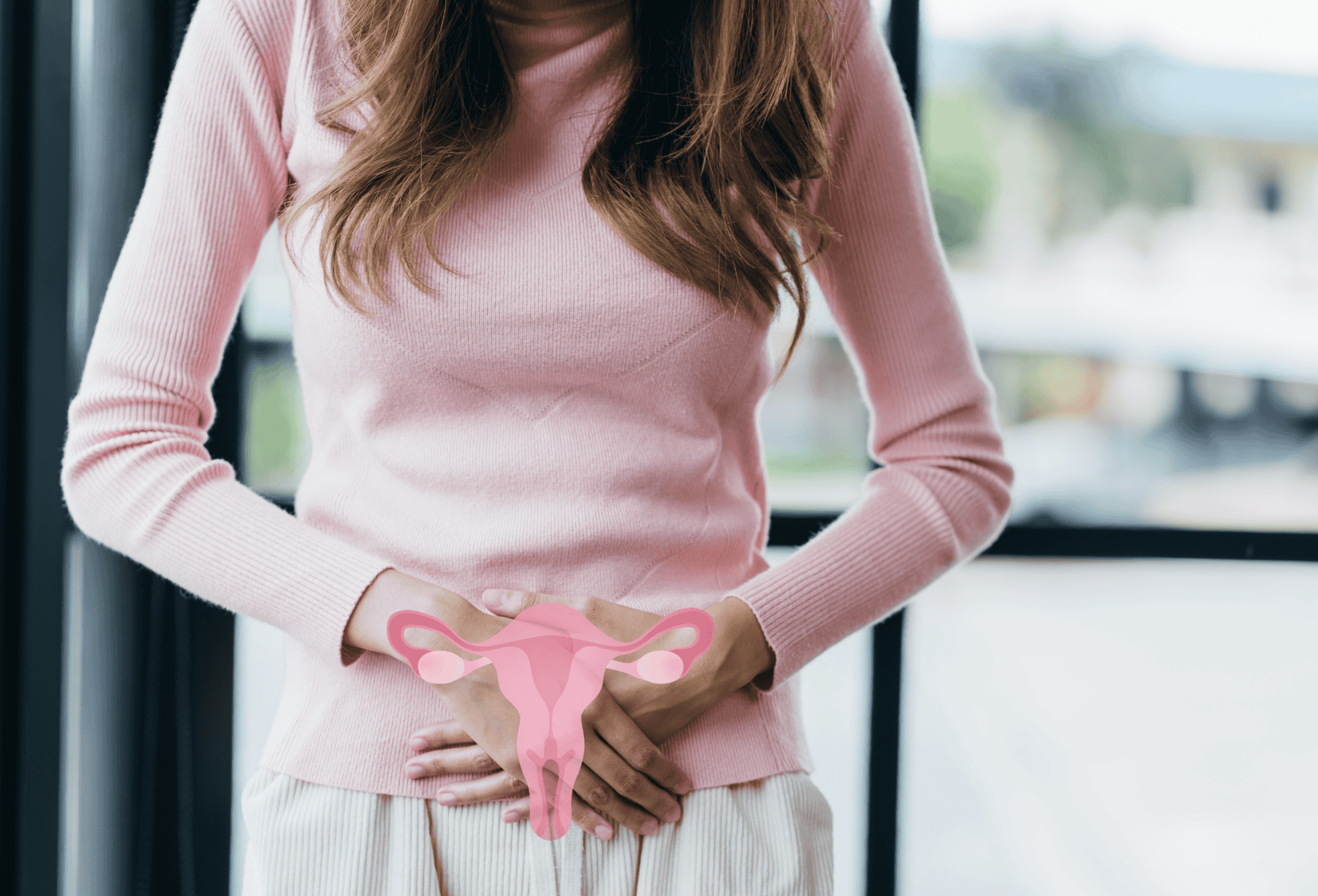
If you’ve been diagnosed with polyendocrine metabolic ovarian syndrome (PMOS, formerly known as PCOS – polycystic ovary syndrome), you may have found that the nutrition information online can be a bit of a minefield. Managing PMOS can be stressful – we want to help you take the stress out of the nutrition side of things and help you develop tools and habits that will support your health in the long run.
What is it?
PMOS is the most common hormone disorder in women of reproductive age, and it affects around 1 in 10 women. However, many will go undiagnosed.
PMOS is diagnosed using your medical history, blood tests and ultrasound. To be diagnosed with PMOS, you need to meet 2 of 3 criteria:
- Irregular or no periods
- Hyperandrogenism (acne, face and body hair growth, and hair thinning)
- Polycystic ovaries on ultrasound (multiple follicles and/or cysts on the ovaries) or elevated anti-mullerian hormone (AMH) levels in adults
The exact cause of PMOS is unknown, however it is likely to be a combination of family history and genetics, lifestyle, and environment. For instance, if an immediate female family member has PMOS, you are more likely to have it.
Symptoms
PMOS symptoms are due to an imbalance in hormones (insulin and testosterone), and they can be incredibly varied. Everyone with PMOS will have a different experience. However, some of the more common symptoms are:
- No periods or irregular periods
- Acne
- Male pattern hair loss
- Excess body and facial hair growth
- Weight gain
- Fertility issues
- Depression and anxiety
Why is nutrition important in PMOS?
Diet will not cure PMOS, but it can help improve a range of associated symptoms and conditions.
People with PMOS will often have insulin resistance, regardless of body size. This means that the body makes insulin (a hormone that is important in managing blood glucose levels) but the body is not able to use it effectively. PMOS symptoms can be a vicious cycle. Insulin resistance alters ovarian function, which increases testosterone, which in turn worsens symptoms.
Diet is a key component to managing insulin resistance. Adjusting carbohydrate intake (what types, how much and how often) within the context of a balanced diet can help insulin resistance.
Additionally, PMOS is associated with a pro-inflammatory state, with chronic low-grade inflammation. Inflammation stimulates increased levels of androgens, which can further worsen the symptoms of PMOS. Increasing the amount of anti-inflammatory nutrients in your diet can help your body combat inflammation. These nutrients include antioxidants from colourful fruits, vegetables and whole grains and omega-3 fatty acids from seafood, nuts and seeds.
Are there any specific diets for PMOS?
There is no specific “PMOS diet” that people with PMOS can follow, and there is no evidence to suggest that any one diet type is better than another. In general, a balanced diet that is consistent with the population healthy eating guidelines is going to be beneficial – that is, including a wide range of wholefoods such as fruit, vegetables, wholegrains, dairy/dairy alternatives, and meat/meat alternatives.
Should I be avoiding carbs?
There has been a lot of information popping up recently encouraging cutting out carbs, or “going keto” to help with PMOS symptoms.
Put simply, there is no need to avoid carbohydrates when you have PMOS.
In fact, there are no foods that you need to cut out of your diet when you have PMOS (unless, of course, you have an allergy or intolerance or coeliac disease!).
While there is some research to suggest that low-carb diets may be helpful for PMOS, we need to keep in mind that research studies like these are generally done under very specific conditions and over very short periods of time. More often than not, they aren’t reflective of real-life examples, only focusing on the short-term when we know that PMOS is a condition we need to manage long-term or if it’s even possible to eat in such a restrictive way in normal life (put simply, no).
Carbohydrates are the main energy source for our brains, are an important source of quick acting fuel in our bodies, and provide a wide range of other health benefits. High-fibre carbohydrates, like legumes and whole grains, are not only good for getting our bowels moving but can help improve the health of our gut microbiome. For PMOS this is especially important, as we know that people with PMOS often have less diversity in their gut microbiome. We can start to replenish our gut bacteria by eating a wide range of different plant foods every day, including fruit, veg, and low GI / high-fibre legumes and wholegrains.
Including more high-fibre carbohydrates can be really simple, for example:
- Start the day with overnight oats, and boost the fibre by sprinkling nuts on top.
- Add a tin of legumes (such as lentils, kidney beans, or black beans) to taco mince or bolognese.
- Snack on wholegrain crackers or veggie sticks with hummus.
- A slice of multigrain bread or toast with nut butter is another easy snack.
- Swap white rice for brown rice, or choosing a whole meal or pulse pasta.
If you have PMOS and are looking for evidence-based, realistic and sustainable dietary advice to help you eat well and feel good long term – then we are the team for you!
References:
Monash University. 2023. International evidence-based guideline for the assessment and management of polycystic ovary syndrome (PCOS). Available from: https://www.monash.edu/medicine/mchri/pcos/guideline
Jean Hailes. Melbourne, Victoria: Jean Hailes, 2019. Polycystic ovary syndrome (PCOS); 2023. [cited 2024 December 16]. Available from: https://www.jeanhailes.org.au/health-a-z/polycystic-ovary-syndrome
Di Lorenzo M, et al. Pathophysiology and Nutritional Approaches in Polycystic Ovary Syndrome (PCOS): A Comprehensive Review. Curr Nutr Rep. 2023 Sep;12(3):527-544. doi: 10.1007/s13668-023-00479-8.
Cowan, S., Lim, S., Alycia, C. et al. Lifestyle management in polycystic ovary syndrome – beyond diet and physical activity. BMC Endocr Disord 23, 14 (2023). https://doi.org/10.1186/s12902-022-01208-y