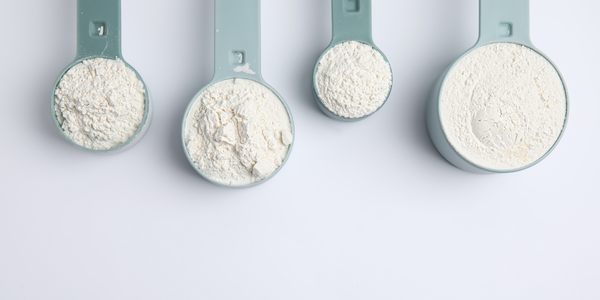
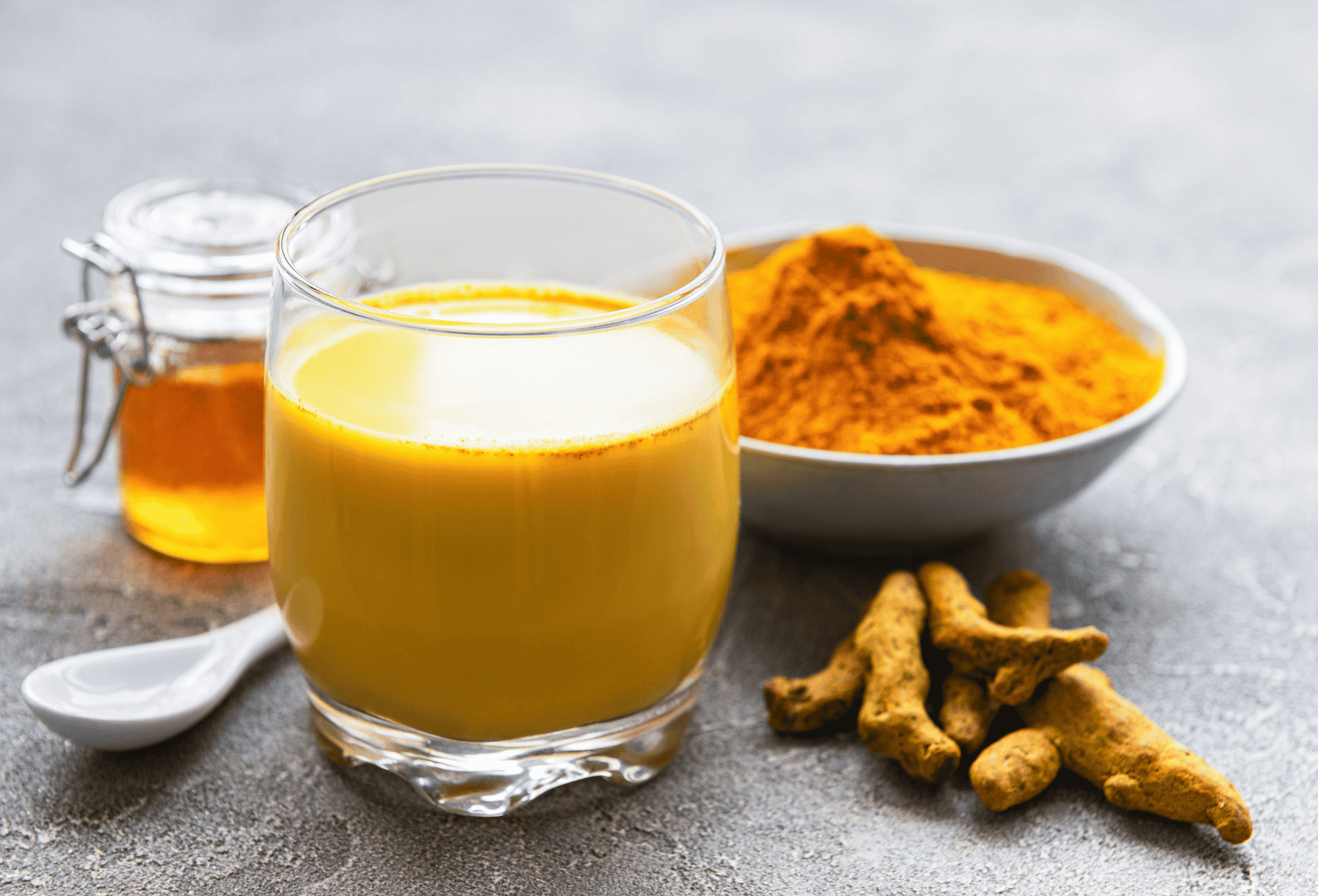
Turmeric is that vibrant yellow spice derived from the root Curcuma longa, a member of the ginger family.
In the last decade, turmeric has become well known for its potential role in managing inflammation. The centre of its benefits is curcuminoids, particularly curcumin. Curcumin is the primary bioactive compound responsible for most of turmeric’s biological effects. Curcumin is a polyphenol, which means it has both antioxidant and anti-inflammatory properties. It is also considered pleiotropic, which means it can influence multiple biological pathways at once. While it is not a standalone treatment, it is a beneficial addition to a balanced diet.
How does turmeric affect inflammation?
Inflammation plays a crucial role in the body’s defence and repair systems. It is the body’s natural response to injury, infection, or irritation and can be observed in the form of redness, heat, swelling, pain, or loss of function. There are 2 main types of inflammation:
- Acute inflammation, which is short-term and protective, helping the body respond to injury or infection.
- Chronic inflammation, which is persistent and can become harmful. It is one of the biggest contributors to many non-communicable diseases, including cardiovascular disease, type 2 diabetes, and certain cancers.
Curcumin from turmeric affects the body at a cellular level through several mechanisms (let’s get a little nerdy):
- It helps to regulate the expression of inflammatory genes. In particular, curcumin inhibits NF-kB, a protein complex that activates the genes involved in inflammation.
- Modulation of cellular stress pathways. Curcumin suppresses the MAPK pathway, which is a signalling process within a cell to regulate cell division, survival and stress response. This pathway is associated with inflammation and tissue damage.
- Inhibition of inflammatory enzymes. Curcumin targets enzymes such as COX-2, which produce prostaglandins, triggering pain, swelling and fever.
- Enhances antioxidant defences – Curcumin promotes the body’s own production of antioxidants through activation of the Nrf2 pathway. This pathway is the body’s primary defence against oxidative stress.
It all sounds pretty miraculous! Current research suggests that turmeric and curcumin may have supportive roles in major cases such as:
- Joint conditions: including osteoarthritis and rheumatoid arthritis.
- Gastrointestinal health: particularly inflammatory bowel diseases.
- Cardiometabolic health: including cholesterol and blood glucose regulation.
- Neuroprotection: through its effects on neuroinflammation.
How do I reap the benefits of turmeric?
Some practical ways to incorporate turmeric into your diet include:
- Add turmeric to coconut rice
- Mix turmeric with scrambled eggs before frying
- Add turmeric and pepper to stocks, soups and stews
- Sprinkle turmeric onto vegetables and meat before roasting
- Add turmeric to marinades for BBQ meats
- Make a regular curry meal which includes turmeric, including dahls, fish curries, vegetable curry and butter chicken.
What’s the catch?
One of the bigger challenges with curcumin from turmeric is its poor absorption and rapid metabolism. This limits how much is available for the body to use.
Some strategies can improve its bioavailability:
- Combining turmeric with piperine (found in black pepper).
- Consuming turmeric with dietary fats.
- Using enhanced formulations such as phytosomes or nanoparticle-based supplements.
Safety and Considerations
Turmeric is generally safe when used in culinary amounts; however, supplementation should still be taken with precaution, as high doses or highly bioavailable forms of curcumin may contribute to some adverse effects including:
- Potential interactions with medications including anticoagulants and certain prescription drugs.
- Possible effects on iron metabolism due to its iron-binding properties.
- Rare reports of liver-related adverse effects at high dosages.
It is important to consult with a healthcare professional before initiating supplementation, especially for individuals with existing medical conditions or those who are already taking other medications.
What can a dietitian do?
Despite turmeric and curcumin providing evident benefits, their use is not always straightforward. A dietitian can help guide the proper implementation by:
- Assessing individual needs: Not everyone will benefit equally from turmeric or curcumin supplements, especially depending on medical history, medications, and nutritional status.
- Integrating it appropriately into diet: Rather than relying on supplements, a dietitian can provide ways to include turmeric into balanced meals for long-term sustainability.
- Evaluating supplement use: Given curcumin’s poor bioavailability and potential adverse interactions, a dietitian can help determine if the supplementation is safe and appropriate for use.
- Supporting chronic disease management: For individuals with chronic inflammation, turmeric may be a good addition to an evidence-based, effective nutritional strategy.
- Monitoring potential risks: This includes considerations such as iron status, liver health, and interaction with potential medications.
Looking for more practical ways to reduce inflammation through diet? Our team of dietitians would love to help.
References:
- Bahramsoltani, R., Rahimi, R., & Farzaei, M. H. (2017). Pharmacokinetic interactions of curcuminoids with conventional drugs: A review. Journal of Ethnopharmacology, 209, 1–12. https://doi.org/10.1016/j.jep.2017.07.022
- Jiao, Y., Wilkinson, J., Di, X., Wang, W., Hatcher, H., Kock, N. D., D’Agostino, R., Knovich, M. A., Torti, F. M., & Torti, S. V. (2009). Curcumin, a cancer chemopreventive and chemotherapeutic agent, is a biologically active iron chelator. Blood, 113(2), 462–469. https://doi.org/10.1182/blood-2008-05-155952
- Kunnumakkara, A. B., Hegde, M., Dey Parama, Sosmitha Girisa, Kumar, A., Uzini Devi Daimary, Prachi Garodia, Sarat Chandra Yenisetti, Oommen, O. V., & Aggarwal, B. B. (2023). Role of turmeric and curcumin in prevention and treatment of chronic diseases: Lessons learned from clinical trials. ACS Pharmacology & Translational Science, 6(4), 447–518. https://doi.org/10.1021/acsptsci.2c00012
- Liu, M., Wang, J., Song, Z., & Pei, Y. (2025). Regulation mechanism of curcumin mediated inflammatory pathway and its clinical application: a review. Frontiers in Pharmacology, 16. https://doi.org/10.3389/fphar.2025.1642248
- Shoba, G., Joy, D., Joseph, T., Majeed, M., Rajendran, R., & Srinivas, P. S. (1998). Influence of piperine on the pharmacokinetics of curcumin in animals and human volunteers. Planta Medica, 64(4), 353–356. https://doi.org/10.1055/s-2006-957450
- Shrestha, A., Elliott, S., Abasszade, J. H., Wu, K., Worland, T., Simpson, I., & Dev, A. (2025). Drug-Induced Liver Injury Associated with Turmeric and Piperine: A Case and Review. Case Reports in Gastroenterology, 19(1), 96–106. https://doi.org/10.1159/000543679